
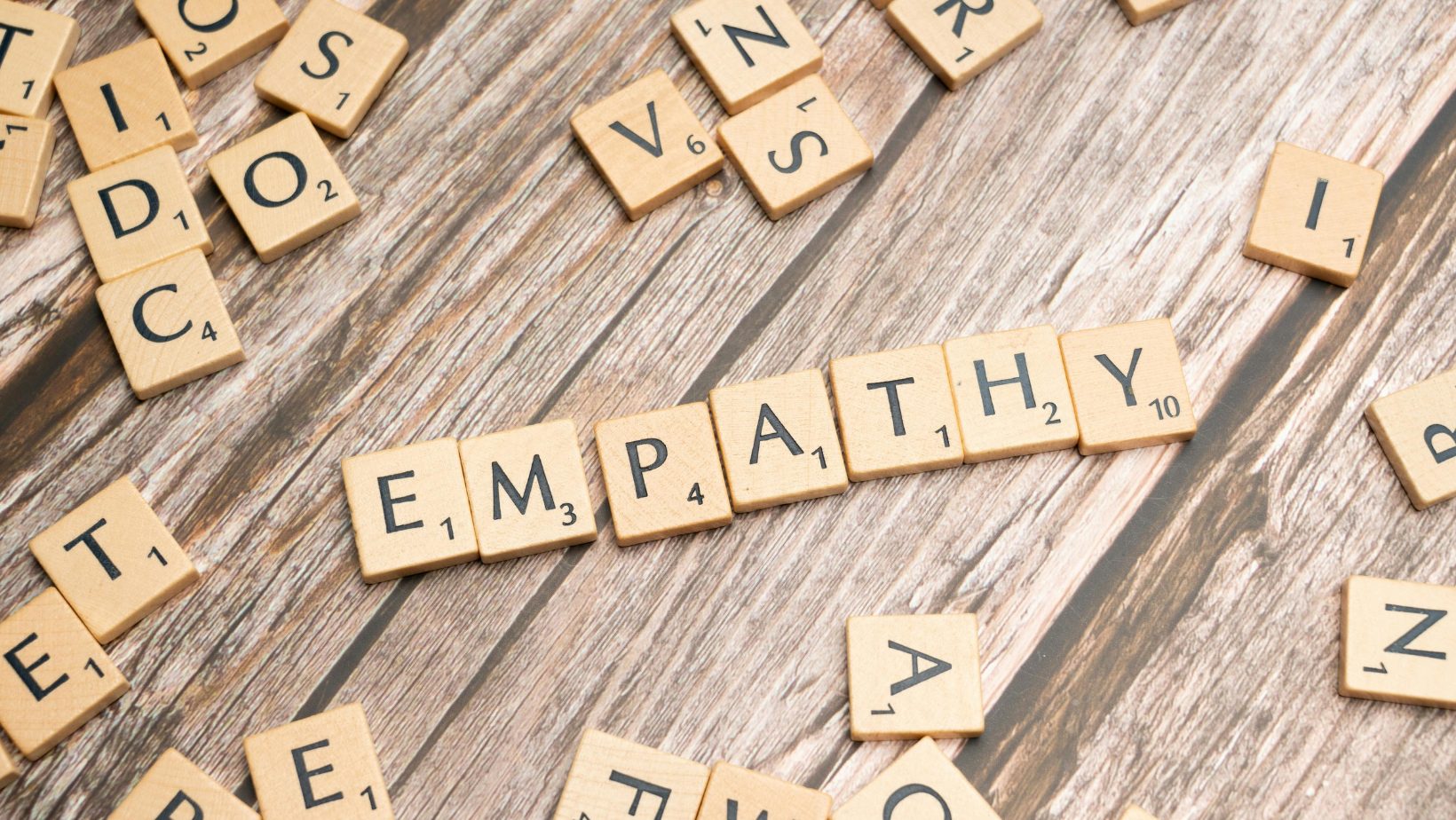
Empathy is a blessing. As humans, God or the universe created us with this Good trait to be a blessing to others and ourselves. But sometimes, it turns out to be draining and exhausting, and sometimes, people may even take advantage of us.So why is that? Even though it is good energy and purely positive, sometimes, it can attract negative energy too.

Why Do Empaths Often Face Difficult Situations?
If you can relate, explore more in this blog post to understand your empathy better.
Summary
As an empath, I can say that my ability to feel deeply has led me through many difficult situations and personal struggles.
You might be wondering — if something as beautiful as empathy can also cause harm, what do you do?
Let’s find out
Empathy, like everything on this earth, has both its good and bad sides. There is an Arabic proverb that says:
“If Something Exceeds Its Limit, It Turns Into Its Opposite”
What Is Empathy?
Empathy is when you put yourself in somebody else’s shoes and feel their emotions as if they were your own. When something good or bad happens to them, you experience it as if it happened to you.
When it’s something good, you feel happy and excited for them, wishing them the best. When it’s something bad, you feel their pain and have a strong desire to help and save them.
The 3 Main Types Of Empathy:
1.Cognitive Empathy:
The ability to understand another person’s thoughts, perspective, or mental state.
It is based on the logical mind and the interpretation of what someone else is experiencing. This interpretation is often shaped by past experiences, assumptions, cultural conditioning, or personal biases.
2.Emotional Empathy:
Emotional empathy is the ability to truly feel what someone else is feeling. When you connect with another person on this level, you experience their joy, sadness, or pain as if it were your own. This deep emotional resonance allows you to understand people more fully and respond with sensitivity. However, it can also be overwhelming if you do not maintain healthy boundaries, as you may absorb their emotions too strongly.
3.Compassionate Empathy:
Compassionate empathy goes beyond simply feeling what another person feels. It motivates you to take action and help in meaningful ways. When you practice compassionate empathy, you are not just connecting emotionally—you are also supporting, guiding, or intervening to make a positive difference. This form of empathy transforms understanding into purposeful action, creating stronger bonds and promoting healing for both yourself and others.
Who Is an Empath?
Empaths are usually highly sensitive people, or better to say they are sensitive to energy. they sense the energy of others, and their energy changes based on it. they always tend to help people and they put others over themselves.
6 Signs You Are an Empath:
1-You Need Alone Time: the frequent need for solitude and needing time to recharge.
2-You Are Highly Intuitive: You can sense things before they happen and you pick up on people’s unspoken feelings and intentions.
3-You Struggle with setting Boundaries: putting others’ needs before your own and find it hard to say no. which can lead to emotional exhaustion.
4-You Are Drawn to Healing and Helping Others: You naturally feel the urge to support and heal others and take on the role of a caregiver and you are an excellent listener.
5-You Feel Overwhelmed in Crowded Places: Large gatherings or busy environments can feel chaotic and emotionally exhausting for you because You Absorb Other People’s Emotions.
6-You are always seeking the truth and looking for answers: you feel things on a profound level and want to understand the deeper meaning behind life, emotions, and human behavior.

Why Being an Empath Can Be Challenging:
My Personal Experience:
Due to my personal experience, Empathy made me cross my boundaries without even knowing.
I was focused on helping and understanding others, and that made some people wrong me and treat me less than I deserved.
“I often found myself lost and broken, and all I did was help and love”.
This was strange and hard to accept, but I discovered that something about being an Empath makes you ignore the Red flags and your intuition.
You tend to find excuses for everyone and forget that you are also a person.
You see the pain in others and allow them to hurt you — just because you know they’re hurt, or that their behavior is based on trauma or wounds.
Maybe finding excuses helps you understand others and avoid judgment.
Empathy can lead you to clarity, forgiveness, and openness with yourself and those around you.
But it doesn’t mean you should stay in a situation that harms you.
5 Reasons Why Empaths Struggle More Than Others:
Feeling Misunderstood: Not everyone can relate to feeling so deeply, so empaths might feel isolated or misunderstood, especially when others don’t see or value emotional depth.
Attracting Emotionally Unavailable or Toxic People: Empaths often attract those who need healing, including narcissists or energy vampires. This dynamic can create unbalanced, one-sided relationships where the Empath gives too much
Absorbing Others’ Emotions: This emotional overload can become overwhelming and draining, especially in negative or intense environments.
Struggling with Boundaries and Difficulty Saying “No”: Empaths genuinely want to help and heal. They often say yes, even when it’s at their own expense. This can lead to being taken for granted or emotionally exhausted.
Overthinking and Internalizing: Empaths over-analyze situations, trying to make sense of everyone’s feelings. They blame themselves unnecessarily or carry emotional burdens that aren’t theirs.
You May Also Like : Understanding the Healing Process:Key Signs and Steps

What Can Empaths Do to Overcome Their Struggles?
It is not your responsibility to save others, your responsibility is to save yourself first. Only then can you help in a healthy and balanced way.
People are different, and they may be living an experience that is very different from what you see. All you can do is ask, listen, and see if you are truly capable of helping.
Sometimes, empathy makes you overlook major Red flags and ignore your intuition.But your intuition is your inner guide,trust it, and it will lead you to do the right way.
Set boundaries, and don’t push yourself beyond your capacity. If you can help, do it. If you can’t, don’t be afraid to say no—refuse kindly and respectfully. That way, neither of you will be left feeling burdened or hurt.
Choose people wisely—not everyone deserves your emotional energy.
Empathy is a superpower, but only when it’s balanced.
Be compassionate with yourself. Empaths often give love to everyone except themselves.Be your own safe space.
Related Post:How Loving Yourself Helps You Heal?

Conclusion:
In the end, we conclude that empathy is a blessing but it can also become a burden when someone is operating from trauma, wounds, or insecurity. That’s why healing is so important.
Healing is always the key

Do you relate with this Blog!
I’d love to hear your thoughts! Drop a comment below and share your experience.
If you haven’t joined our community yet, now’s the perfect time—I’d love to connect with you! 😊


Leave a Reply